

When teeth are lost or extracted, the jawbone can begin to shrink and deteriorate. This loss of bone volume can create challenges for dental implant placement and affect the overall structure of your mouth. Ridge augmentation is a surgical procedure designed to rebuild and restore the jawbone to its original shape and size. This process is essential for patients who want to receive dental implants but lack sufficient bone support.
In this article, I explain the jawbone restoration procedure, its benefits, and what to expect during treatment. I also cover factors that may disqualify someone from dental implants and provide practical advice for those considering ridge augmentation.
Understanding the Jawbone Restoration Procedure
The jawbone restoration procedure, commonly known as ridge augmentation, involves adding bone or bone-like materials to the jaw where bone loss has occurred. This procedure helps rebuild the natural contour of the jaw and provides a stable foundation for dental implants.
There are two main types of ridge augmentation:
Horizontal ridge augmentation: This increases the width of the jawbone.
Vertical ridge augmentation: This increases the height of the jawbone.
The procedure typically involves the following steps:
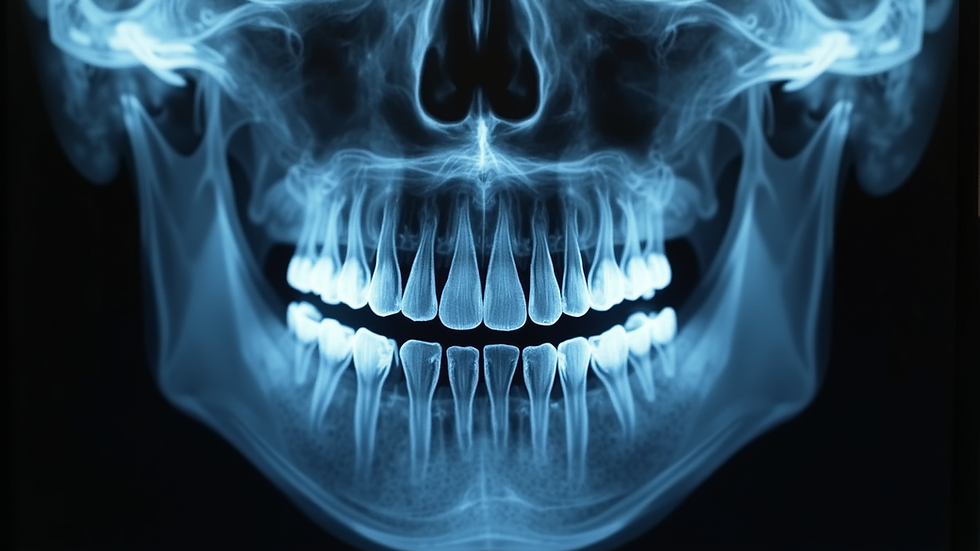
Assessment and planning: A dental specialist evaluates the jawbone using X-rays or 3D imaging to determine the extent of bone loss.
Bone grafting: Bone graft material is placed in the deficient area. This material can be taken from your own body (autograft), a donor (allograft), or synthetic substitutes.
Healing period: The graft integrates with the existing bone over several months, creating a solid base.
Implant placement: Once the bone has healed, dental implants can be placed securely.
Ridge augmentation is a precise procedure that requires careful planning and execution. It is often performed by periodontists or oral surgeons who specialize in bone and gum health.

Benefits of Ridge Augmentation for Jawbone Restoration
Ridge augmentation offers several important benefits for patients needing dental implants or improved oral function:
Improved implant success: Adequate bone volume is critical for the stability and longevity of dental implants. Ridge augmentation ensures implants have a strong foundation.
Restored facial structure: Bone loss can cause the face to appear sunken or aged. Rebuilding the jawbone helps maintain natural facial contours.
Enhanced chewing and speaking: A stable jawbone supports proper tooth alignment and function, improving chewing efficiency and speech clarity.
Prevention of further bone loss: Bone grafting stimulates new bone growth, which can slow or stop ongoing bone deterioration.
Customized treatment: The procedure can be tailored to the specific needs of each patient, addressing the exact areas of bone loss.
For those seeking specialized care, ridge augmentation san dimas offers expert services that combine advanced techniques with personalized treatment plans.
What Disqualifies You from Dental Implants?
Not everyone is a candidate for dental implants, even with ridge augmentation. Certain conditions and factors can disqualify a patient or require additional treatment before implants are possible. These include:
Severe bone loss: In some cases, bone loss is too extensive for augmentation or requires multiple procedures.
Uncontrolled chronic diseases: Conditions like diabetes or autoimmune disorders can impair healing and increase the risk of implant failure.
Smoking: Tobacco use reduces blood flow to the gums and bone, hindering recovery and increasing complications.
Poor oral hygiene: Active gum disease or infections must be treated before implants can be placed.
Radiation therapy: Patients who have had radiation in the head or neck area may have compromised bone quality.
Medications: Certain drugs, such as bisphosphonates, can affect bone metabolism and healing.
A thorough medical and dental evaluation is necessary to determine implant eligibility. Your dental specialist will discuss any concerns and recommend the best course of action.
Preparing for Ridge Augmentation Surgery
Preparation is key to a successful ridge augmentation procedure. Here are some practical steps to take before surgery:
Consultation and imaging: Schedule a detailed consultation with your periodontist or oral surgeon. Imaging tests will help map the bone loss.
Medical history review: Provide a complete medical history, including medications and allergies.
Quit smoking: If you smoke, try to quit or reduce smoking before and after surgery to improve healing.
Oral hygiene: Maintain excellent oral hygiene to reduce infection risk.
Arrange transportation: You may need someone to drive you home after the procedure.
Follow pre-surgery instructions: Your provider may give specific guidelines about eating, drinking, or medications.
Understanding the procedure and preparing properly can reduce anxiety and improve outcomes.
What to Expect After Ridge Augmentation
Recovery from ridge augmentation varies depending on the extent of the surgery and individual healing rates. Here is what you can expect:
Swelling and discomfort: Mild to moderate swelling and soreness are common for a few days. Your provider may recommend pain relievers and cold compresses.
Diet modifications: Stick to soft foods and avoid chewing on the surgical site until healing progresses.
Oral care: Follow instructions for gentle cleaning and avoid disturbing the graft area.
Follow-up visits: Regular check-ups will monitor healing and detect any complications early.
Healing time: Bone grafts typically take 3 to 6 months to fully integrate before implants can be placed.
Adhering to post-operative care instructions is essential for successful bone regeneration and implant readiness.
Moving Forward with Dental Implants
Once the jawbone has been restored through ridge augmentation, dental implants can be placed to replace missing teeth. Implants provide a durable, natural-looking solution that restores function and aesthetics.
The implant process includes:
Implant placement: A titanium post is surgically inserted into the jawbone.
Osseointegration: The implant fuses with the bone over several months.
Abutment and crown: After integration, an abutment and crown are attached to complete the restoration.
With a solid jawbone foundation, implants have a higher success rate and provide long-term benefits.
Ridge augmentation is a vital procedure for those facing jawbone loss and seeking dental implants. It restores bone volume, improves oral function, and supports facial structure. If you need expert care, consider consulting a specialist in ridge augmentation san dimas to explore your options and receive personalized treatment. Taking the right steps toward jawbone restoration can lead to a healthier mouth and a confident smile.


Comments